
Creative AI: Veo 3, Imagen 4, and the Rise of Generative Media
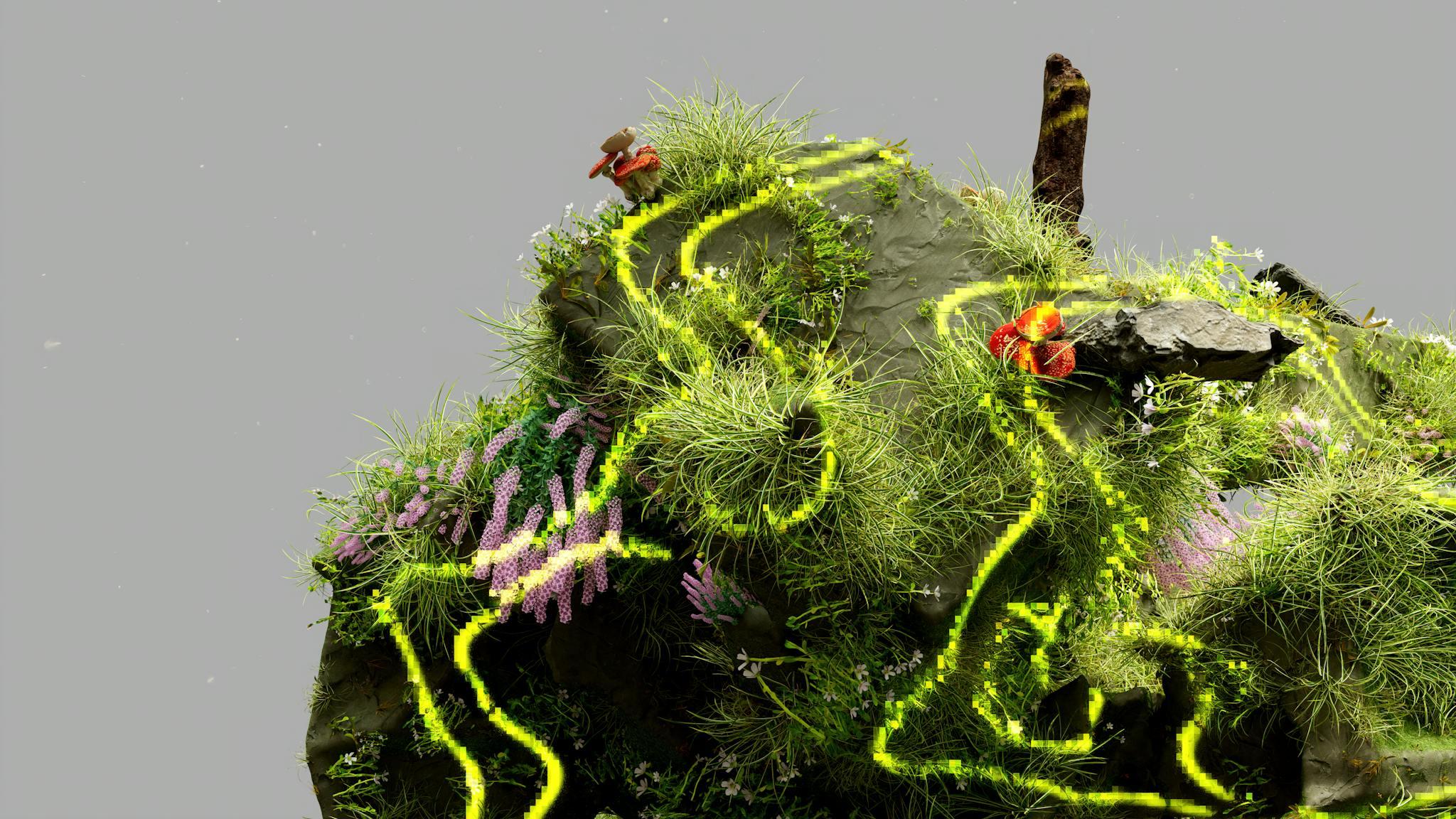
Google didn't forget the creators and marketers at I/O. They unveiled Veo 3 and Imagen 4, the latest generative AI models for video and images, respectively, along with new tools like Flow. As someone who often dabbles in content creation (and has a whole team of creatives worrying about AI), I paid close attention here.
Imagen 4 is Google's new image generation model. The big claim: it offers "stunning quality" and finally handles text in images correctly. If you've played with AI image generators, you know text (like legible signs or labels in the generated images) was a pain point. Google specifically noted superior typography, meaning Imagen 4 can actually spell words in images now. The sample they showed was an AI-generated photograph of an egg carton where the labels on the eggs were perfectly readable – a subtle flex that this model fixed one of the notorious weaknesses of its predecessors. Quality-wise, Imagen 4 is said to combine speed and precision to produce "stunning images" quickly. In short, expect more realistic, high-res visuals without weird AI artifacts.
Veo 3 is perhaps even more exciting: it's Google's state-of-the-art video generation model, now with native audio generation. This means Veo 3 can not only create video frames but also generate synchronized soundtracks or sound effects to go with them. They showed how you could generate a short video clip (say a peaceful forest scene), and Veo 3 will produce the ambient birds chirping and rustling leaves audio to match – all AI-generated. It also has more control over physics in scenes (so motions and movements look natural). In one demo, they extended a 3-second video of a skateboarding trick into a 15-second continuous clip, seamlessly and with realistic motion, using the AI to imagine the "in-between." It's like filling the gaps or extending videos magically.
Both Imagen 4 and Veo 3 are available in the Gemini app for users to play with as part of Google's generative toolkit. And then there's Flow, an AI filmmaking tool Google introduced. Flow acts as a user-friendly interface to these powerful models. It lets you string together scenes, apply styles, ensure consistency of characters or settings across shots, and even add background music via an AI model called Lyria 2 (which handles music generation). Essentially, Flow is aiming to be a one-stop shop for creating small films or dynamic video content: you type what scene you want, maybe provide a reference image or two, and the AI does the heavy lifting – visuals from Veo/Imagen, audio from Lyria.
For creators, small businesses, and marketers, this is huge. It democratizes content creation. I can imagine a B2C startup generating a quick product explainer video entirely with AI models, or a local realtor using Imagen 4 to stage a home virtually.
I've been already experimenting with these tools for our clients – not to replace human creatives (we love our designers!), but to supplement them. For instance, need five hero images for a blog post split-test? Imagen can draft concepts in minutes. Need a short demo video of an app UI? Perhaps Veo could animate screenshots into a smooth walkthrough. However, quality and originality will still be key. Everyone might have these tools, so the difference will be in the ideas and refinement.
There's also the aspect of trust – AI can generate content, but is it on-brand and accurate? I foresee a new kind of creative role emerging: AI content curator or editor. Someone who's job is to tweak prompts, guide the AI, and polish the output so it's ready for prime time.
In any case, Google's clear message: "Creativity for all." They're giving us Photoshop + Final Cut Pro in a chat box. As a content strategist who started in a very human-centric creative industry, I find this both exciting and a touch sentimental – we're entering an era where an idea in your head can be manifested in media just by describing it. My job might soon be less about finding the resources to execute an idea, and more about having the best idea and coaching an AI to execute it.
Post a comment