
The Rohingya Exodus: A Cry for Help, A Call for Humanity
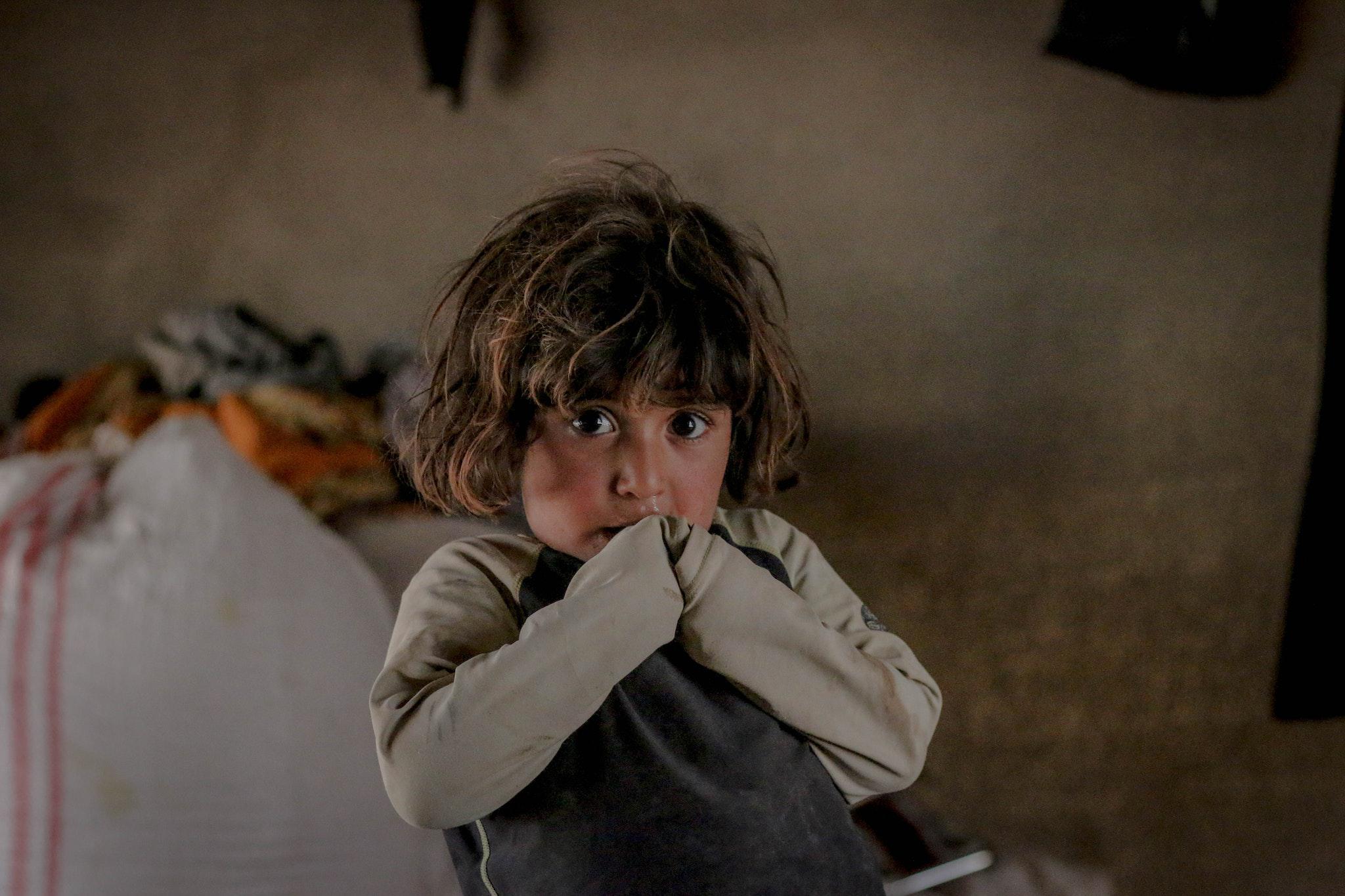
"No one puts their children in a boat unless the water is safer than the land" - Warsan Shire
As the world gazes at the dousing flames of the civil war in Syria, there is a kindling fire closer to home that has gone unnoticed by many. The Rohingya crisis in Myanmar has again raised questions about the existence of humanity on Earth.
The Rohingyas are people from an ethnic Muslim minority group that traces its origins back to the Arakan State in the early days but had been living in the Rakhine district until recent years. They are some of the most persecuted minorities in the world. Victims of the elite Buddhist regime’s crackdown against ‘inferior races’, the Rohingyas were forced to flee their native place and travel in harsh conditions to neighbouring countries, mainly Bangladesh.
The mass displacement from Rakhine District had been triggered by Aung San Suu Kyi’s seemingly peaceful government, which has been plagued by accusations of grotesque torture of the Rohingya people. The government of Myanmar refuses to give citizenship to the Rohingyas and doesn't even count their people as one of the 135 ethnic groups in the country. It sees Rohingyas as illegal migrants from Bangladesh and hence refers to them as ‘Bengalis’.
The exodus has led to thousands of deaths. A majority of them are living in squalid temporary camps set up on the Myanmar-Bangladesh border and in the Cox Bazaar area. They face grave health issues and horrible living conditions with little or no belongings. The kids deprived of their childhood, the adults of their livelihood, and the whole minority's future in peril—things have taken a turn for the worse.
Myanmar executed a self-styled ‘ethnic cleansing’ spree, which was undertaken under the guise of tackling Rohingya militancy. Beyond the thousands killed by nature's fury in tumultuous waters while fleeing, there are people who perished in fires set in Rohingya villages in Myanmar. A greater number of lives were lost or destroyed by the military, which mercilessly killed men, women, and children. Horrific accounts of torture and rape are still pouring in.
Many governments throughout the world have raised their voice against the crisis and criticised Myanmar for its treatment of the Rohingyas. Bangladesh came forward as a strong pillar of support by opening its borders and providing temporary sanctuary to the victims despite its puny size and already cramped land for the already huge population. A UN probe is underway to investigate the matter in detail. Many countries have provided aid amounting to millions of dollars.
But what is India's stand on the issue? Sadly, our government is not ready to provide shelter to any Rohingya victims, citing ‘security’ concerns. A meagre amount of aid was provided as assistance. India, a regional superpower, is looked up to by its neighbours as an elder sibling who can be trusted in times of need. But our government chose to shy away from even bringing up the elephant in the room at crucial moments.
In an age of weapons of mass destruction, terrorism, and natural disasters, kindness provides a glimmer of hope. Myanmar needs to recognize and rectify its mistakes. Governments throughout the world need to take lessons from the crisis, and we, as a nation, need to change our stance and do our part. Only then will this Earth be a better place to live in.
This piece was written for a local college magazine in India in 2019 to raise awareness about the Rohingya crisis in Myanmar.
0 Comments Add a Comment?